The Changing Face of Lefferts Manor 1893 – 1993 – Emerging Middle Class & Victorian Ideal of Family and Home

Emerging Middle Class and Victorian IdealBy the end of the 19th Century, factories rather than farms became the dominant mode of production in the United States. As the industrializing city became more congested and polluted, the notion of the single-family house as haven from the pressures of city life, apart from offices and factories, and as a place for the family to gather became increasingly popular. For middle-class New Yorkers, the protected environment of the family home gained the status of a cultural ideal. This led to a demand for new living spaces, transforming areas such as Flatbush from fields and farming villages to suburban residential developments.

Ideal Victorian Family Home Life
Illustration of the Ideal Victorian Family Home Life
(From Katherine C. Grier, Culture and Comfort: People, Parlors, and Upholstery, 1850-1930)
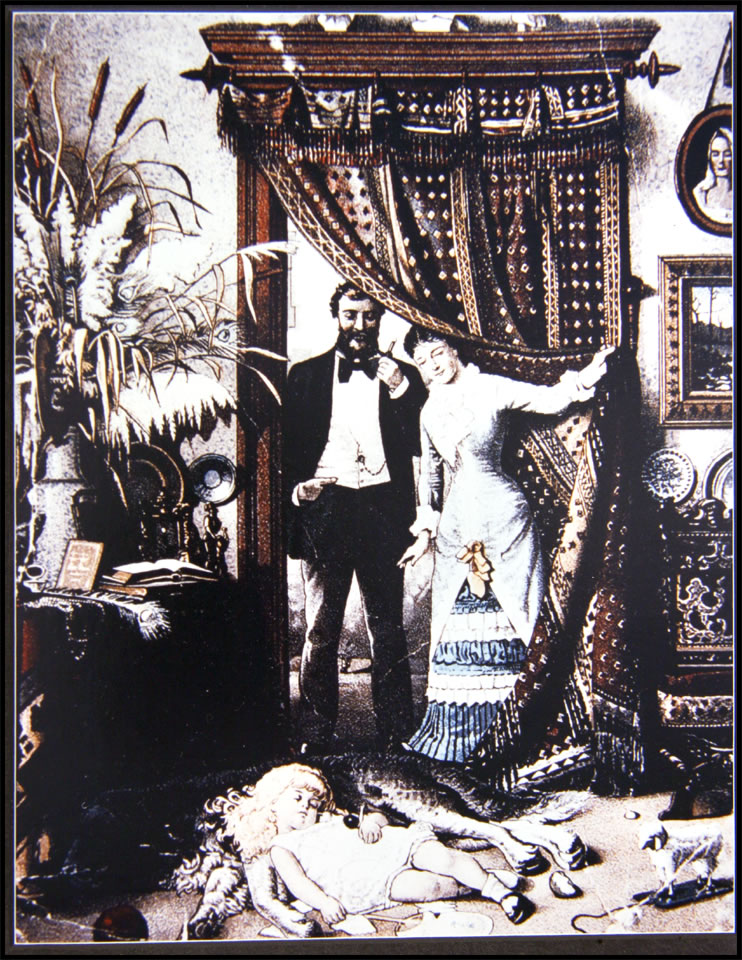
Idealized Parlor Scene 1869
Idealized Parlor Scene
(Title page illustration from Catherine Beecher and Harriet Beecher Stowe, The American Woman’s Home: or Principles of Domestic Science)
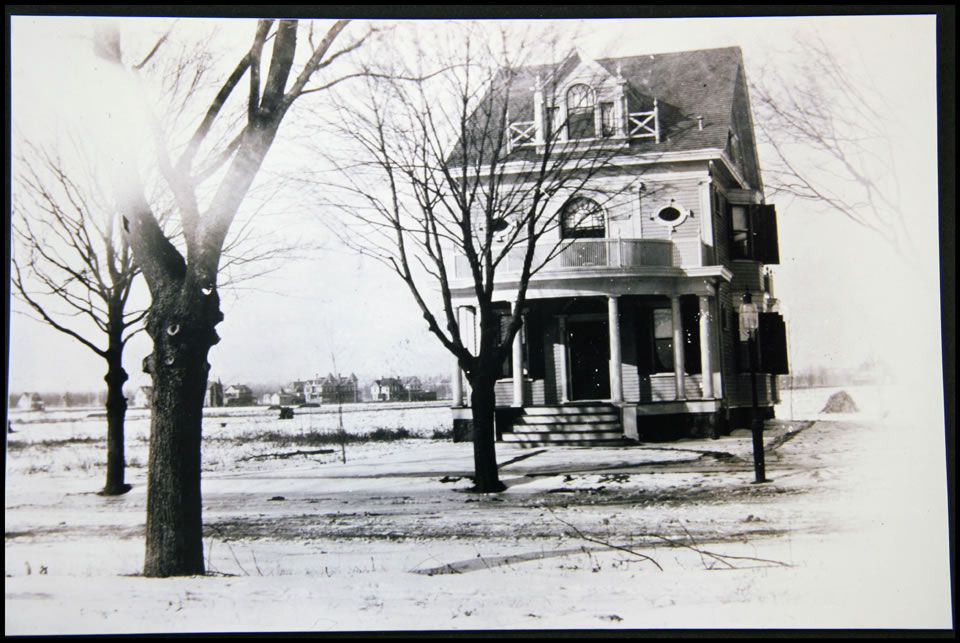
House in Flatbush 1900
House In Flabush, C. 1900
(Brooklyn Historical Society)
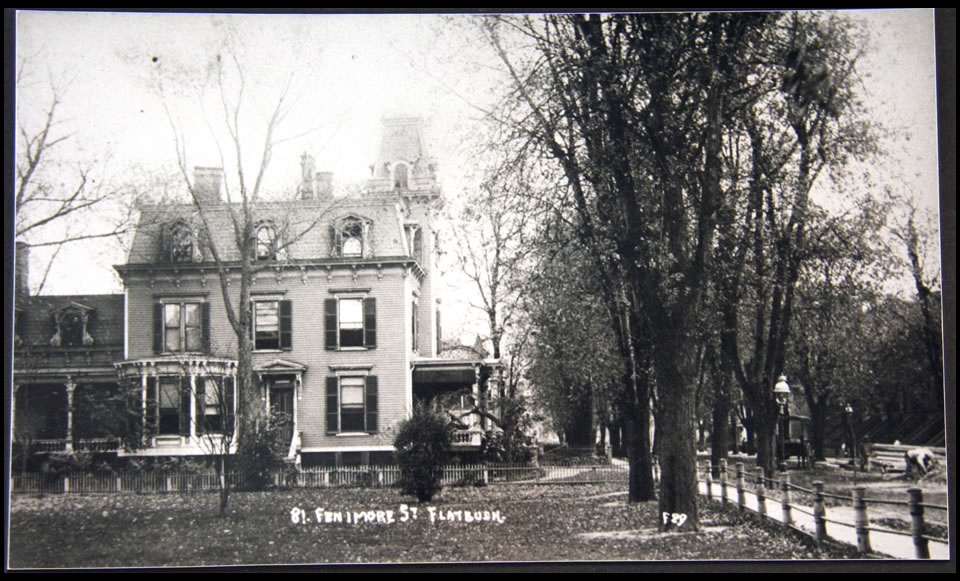
Late Victorian Home on Fenimore Street
Late Victorian Home at 81 Fenimore St., Predating Lefferts Manor Development

Posted in PLG History | Tagged , | Leave a comment

The Changing Face of Lefferts Manor 1893 – 1993 – Architecture

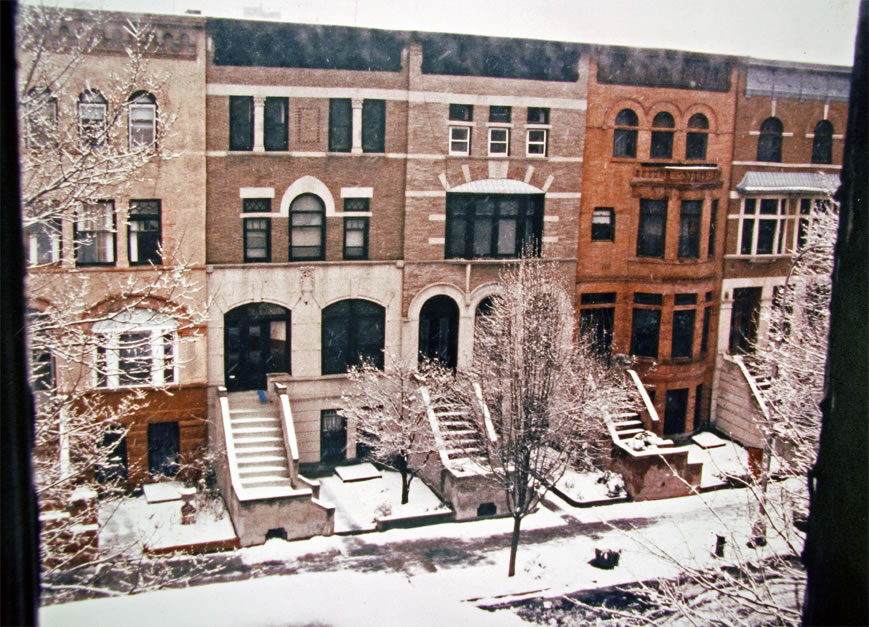
Lefferts Manor 1893-1993 ArchitectureThe architectural structure of Lefferts Manor as a rowhouse neighborhood has survived virtually unchanged since the time of its development. By 1899 four houses were built and sold.  507 homes were constructed between 1905 and 1922.  The final three houses were built on Maple Street in 1952.
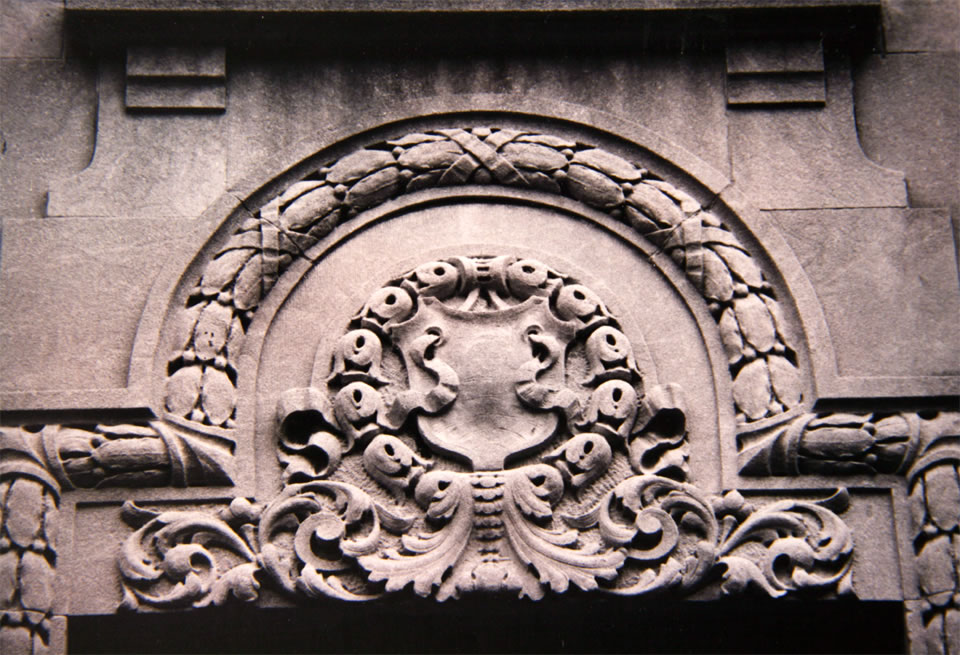
Every effort was made to distinguish Lefferts Manor houses from the monotony of identical rowhouses that marked so many city neighborhoods.  Architecture in the Manor derives it attractiveness and vibrancy from the juxtaposition of disparate styles.  Even houses within a row differ in ornament and detail. Brick, brownstone, and limestone were used in different combinations and colors to create contrast.

Lefferts Manor received landmark designation from New York City in 1979.  In 1992, it was added to the state and federal registers as an historic site.

lefferts manor 1893-1993 limestone details
Many architectural details on Lefferts Manor houses reward close inspection.

Lefferts Manor 1893-1992 Midwood Street Neo-Federal Neo-Georgian
Neo-Georgian and Neo-Federal style brick houses on Midwood Street built between 1922 and 1924.  These semi-detached houses allowed for shared driveways to accomodate the new era of the automobile.

First Buildings in Lefferts Manor 1898 - Lefferts Manor 1893-1993
Representing the transiton from late Romanesque Revival to the Neo-Rennaissance style, these Midwood Street rowhouses were among the first buildings in the district in 1898.

Continue reading

Posted in PLG History | Tagged , , , | Leave a comment

PLG Arts Presents the 5th Annual Summer of Free Theater for Children Ages 3 – 103

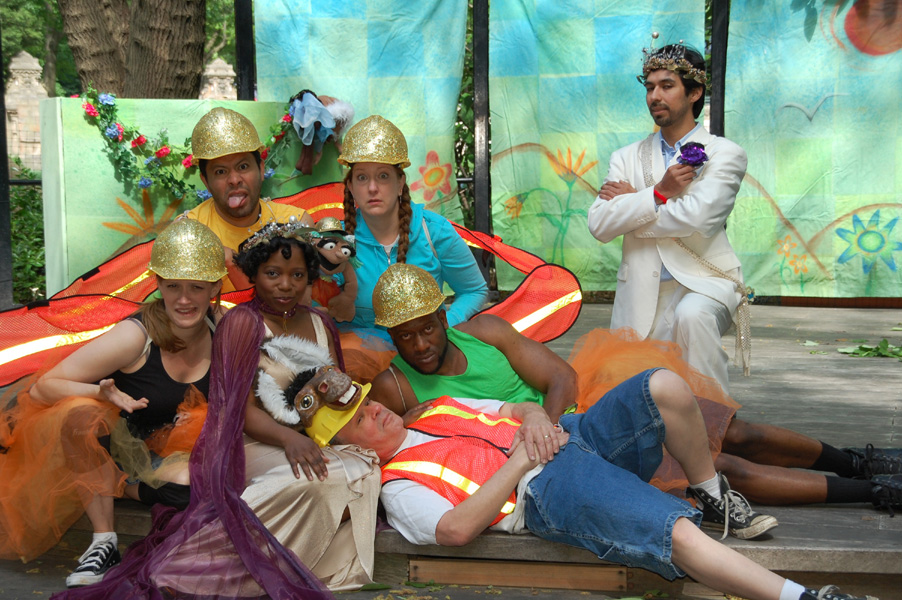
PLG Arts presents DAYDREAM directed by Rohana Elias-Reyes in Prospect Park’s Imagination Playground every weekend in June: Saturdays at 11a.m. and Sundays at 3p.m. All Performances free, no reservations required, seating on the ground. NYtheatre.com calls the show “can’t miss children’s theatre that Shakespeare lovers will truly appreciate,” this year with more magic, music, and puppets than ever. Free post-show art-making activities for children included, or bring your kids’ bathing suits for a splash in the dragon fountain. Visit: www.PLGArts.org or call 718-393-7733 for more information.

PLG Arts Daydream

Daydream - Titania and the Fairy Court

Photo: S. Elias-Reyes

DAYDREAM was conceived in 2006 by Laura Frenzer, PLG Arts President and Rohana Elias-Reyes, a PLG Arts founding member, both Prospect Lefferts Gardens parents and theater professionals.  In an effort to make better use of the Imagination Playground stage, they decided to put on a show, and settled on a short family-friendly version of Shakespeare’s “A Midsummer Night’s Dream.”  Over the years twenty-one actors have performed in the show, all but six of whom have resided in PLG or nearby neighborhoods, and seven PLG residents have lent their talents as designers, builders, and seamstresses.

Directions below…
Continue reading

Posted in PLG Arts | Tagged , , , , | Leave a comment

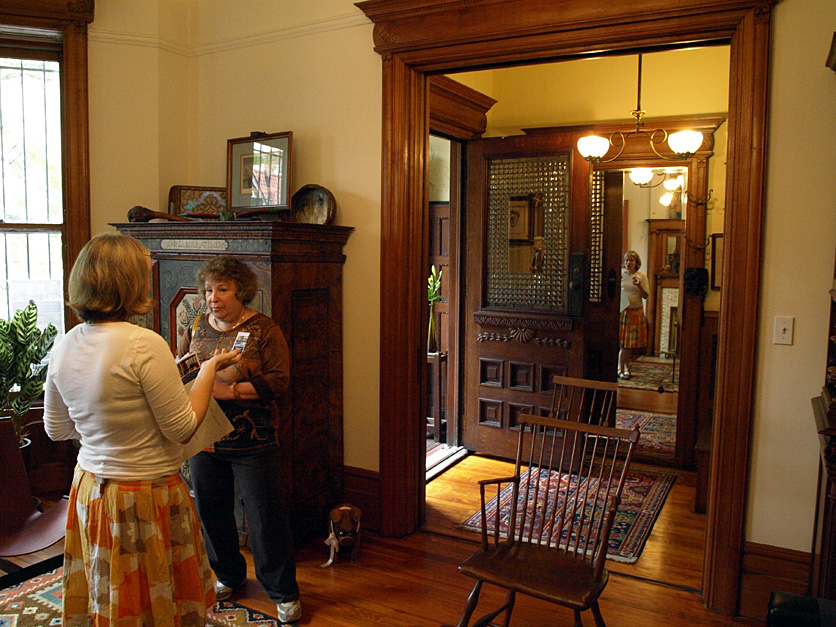
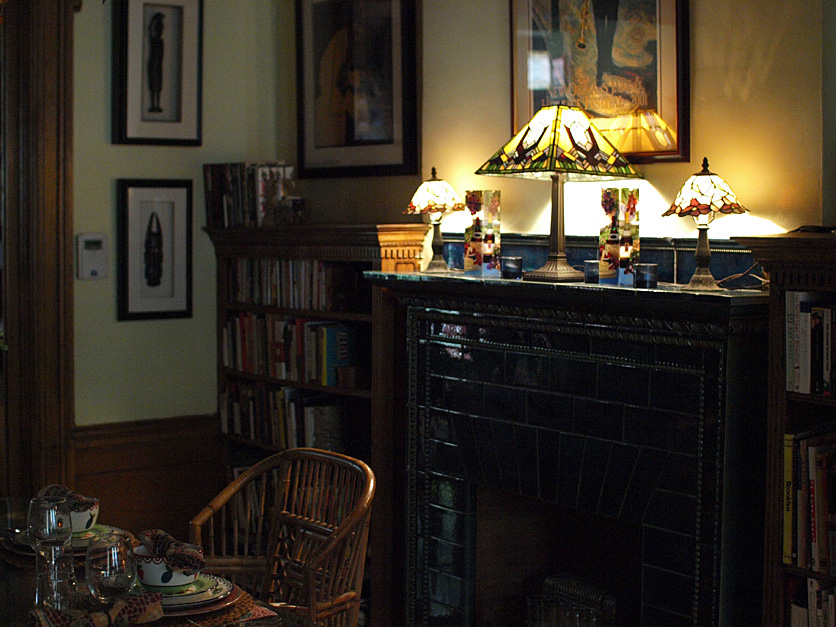
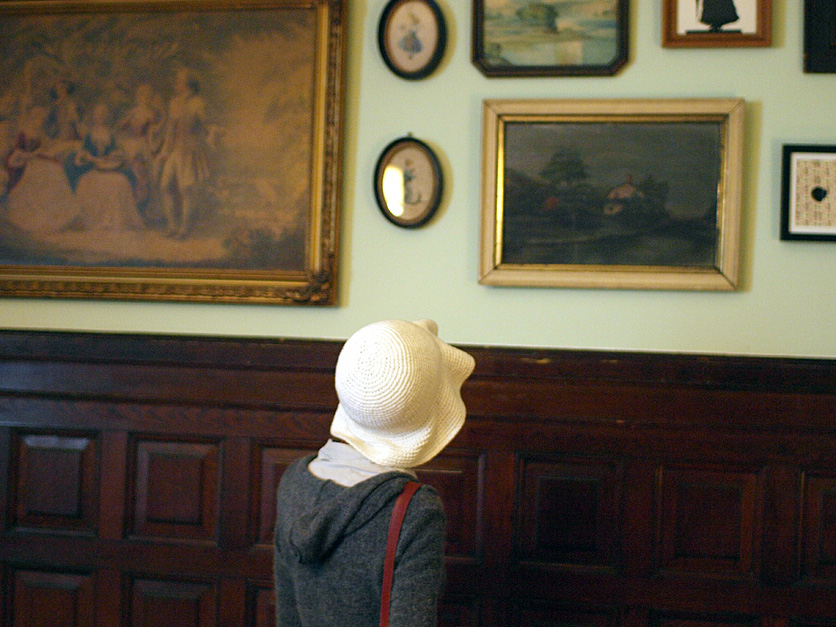
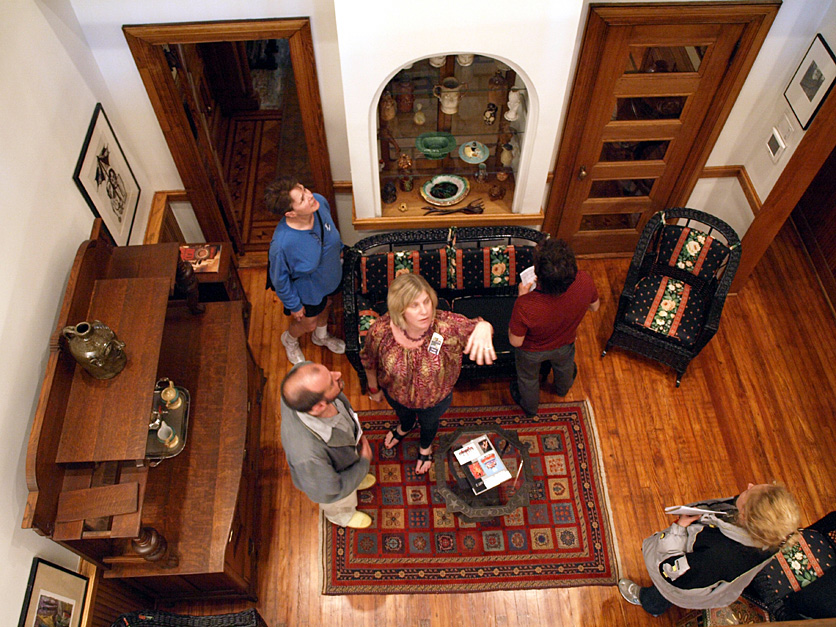
Photographs from the Prospect Lefferts Gardens 40th Annual House & Garden Tour

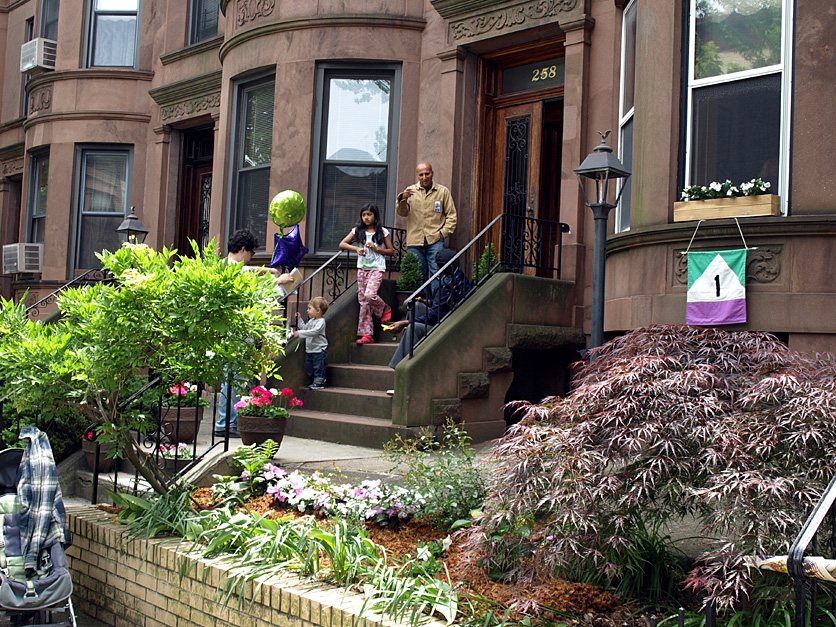
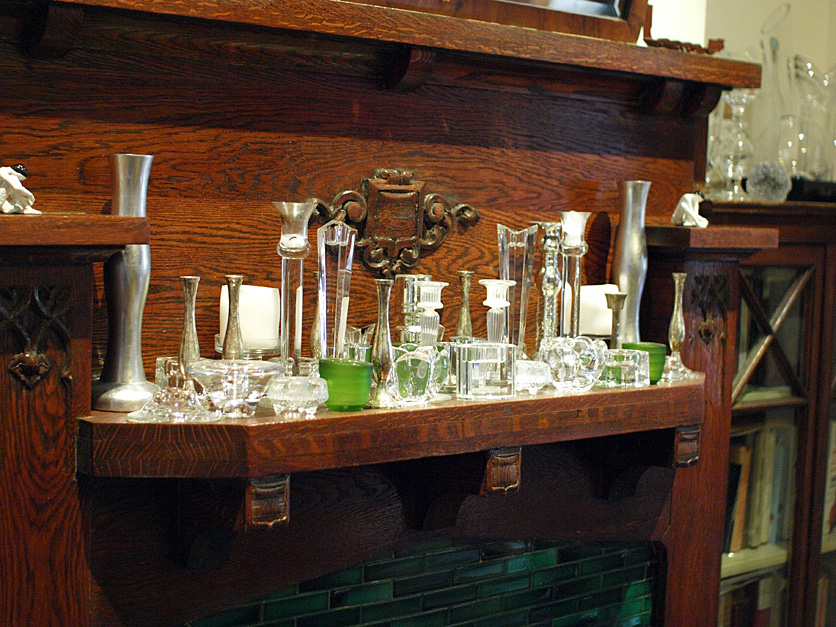
Photographs taken during Prospect Lefferts Gardens 2010 House Tour by Robert Marvin.

See all the photos on Flickr.

Posted in News | Tagged | Leave a comment

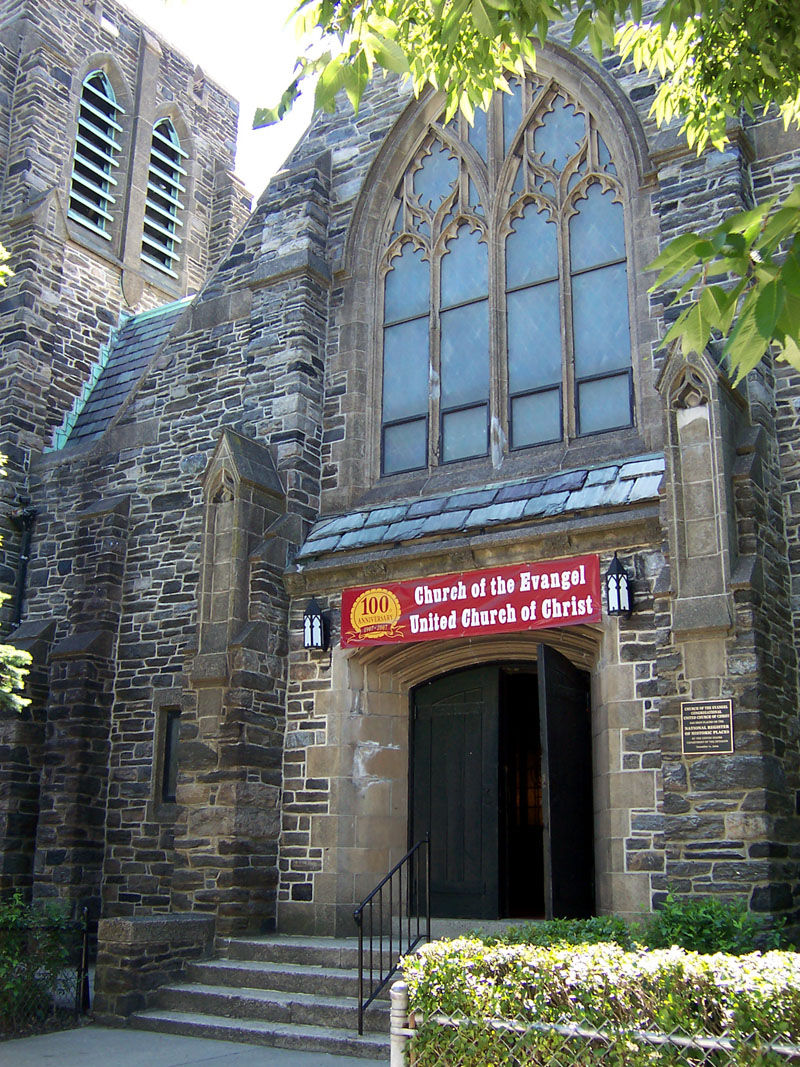
Church of the Evangel added to the National Register of Historic Places

The Church of the Evangel has been added to the National Register of Historic Places.  The New York State Office of Parks and Recreation and Historic Preservation has announced the listing of The Church of the Evangel, located at the corner of Bedford Ave. and Hawthorne St.,  on the National Register of Historic Places.

PLG-Church-of-the-EvangelBuilt in 1916, an example of Late Gothic Revival architecture, the church embodies many characteristics that are typical of a medieval parish church in England. The building since the very beginning served as a community center for the neighborhood with an emphasis on youth programs. It served as the clubhouse for the largest Boy Scout troop in the country at the time and for the largest Girl Scout troop in the state.

The window over the doors was donated in 1927 by Emma Cromwell in memory of her brother, Joseph Milton Cromwell.  The window is made of Tiffany glass from the Tiffany Studios of New York City.

Credit goes to the Rev. Lisa Robinson and her congregation for their careful maintenance of this important Prospect Lefferts Gardens neighborhood asset.  There will be a ceremony at the chuch on Saturday, June 5th.   Our thanks to the Hawthorne Street Blog for bringing this to our attention.

Posted in News, PLG History | Tagged , , | Leave a comment